Caffeine and Fat Burning: What the Research Actually Says
Quick Answer: Does Caffeine Actually Burn Fat?
The caffeine fat burning effect is real but small: caffeine modestly raises metabolic rate and fat oxidation, especially before exercise. Tolerance blunts the boost within weeks, and large doses cause jitters, a racing heart and poor sleep. Treat it as a mild, temporary edge on top of training and diet, never a stand-alone solution.
- What it does: a small lift in metabolic rate and fat oxidation for a few hours.
- When it helps most: taken before exercise, where it also improves performance.
- The limits: tolerance fades the effect, and side effects cap how much you can use.

Where caffeine's fat-burning reputation comes from
Caffeine is the most widely used stimulant on earth, and it is in almost every fat burner on the shelf for a reason: unlike most ingredients in those products, it genuinely does something measurable. Feed a person caffeine and you can record a small rise in energy expenditure and in the proportion of fat being used for fuel, along with a real improvement in how hard and how long they can exercise. Those are honest laboratory findings, and they are the seed from which the whole "caffeine burns fat" industry grew.
The trouble is the distance between "measurable in a lab" and "meaningful on the scale". A stimulant that reliably produces a small effect is easy to market as if the effect were large, and the caffeine fat burning claim is one of the most inflated in the whole supplement aisle. This article keeps the real findings and strips the exaggeration — the same habit we bring to every ingredient, and one worth learning yourself through how to read a weight-loss study without being misled.
What caffeine actually does: thermogenesis and fat oxidation
Caffeine works mainly by blocking adenosine, the molecule that makes you feel tired, and by nudging up the release of adrenaline. Downstream of that adrenaline signal, the body releases more fatty acids from storage and burns slightly more energy at rest — a mild thermogenic effect. At the same time, the sense of effort during exercise drops, so a given workout feels a little easier and you can push a bit further.
Both effects are real and both are modest. The rise in metabolic rate from a standard dose is on the order of a few percent for a few hours in pooled trials — enough to be detected on lab equipment, not enough to notice in daily life. The extra fat oxidation is likewise small, and much of it depends on when and how you eat around it. The performance benefit is arguably the most valuable part, because it acts indirectly: caffeine does not burn the fat, it helps you do the training that does. That is a crucial reframing, and it is why caffeine belongs before a workout rather than scattered through the day.
Want a daily gummy without the stimulant load?
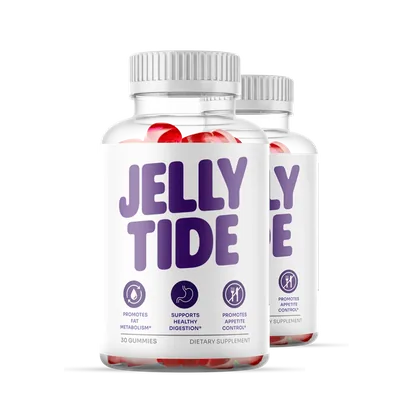
Caffeine has its place, but stacking stimulants for a few percent of extra burn is a poor trade for jitters and broken sleep. JellyTide lists no caffeine on its panel: apple cider vinegar with BHB calcium, magnesium and sodium salts — everyday support, no wired feeling.
See JellyTide on the Official StoreHow much caffeine fat burning is realistic?
The doses used in the research are fairly consistent: roughly 3 to 6 mg per kilogram of body weight, which for most adults lands between about 200 and 400 mg — two to four cups of coffee, give or take. Within that range you get a reliable bump in metabolic rate and performance, and a meta-analysis of acute caffeine and fat oxidation during exercise puts the extra fat burned in single-figure grams per session. Go higher and you do not get proportionally more benefit; you get more side effects. Total daily caffeine above roughly 400 mg is where jitters, anxiety, a racing pulse and disrupted sleep start to outweigh anything the metabolism gains.
Put concrete numbers on the "burn" and the picture deflates gently. The extra energy expenditure from a sensible caffeine dose amounts to a small number of calories over a few hours — the kind of figure that a single biscuit erases. If your mental model is that a fat-burner capsule is doing the work, that model is wrong. What caffeine reliably buys is a slightly better workout and a bit more alertness to get to the gym in the first place, and those indirect effects are worth more than the direct thermogenic one. Green-tea products lean on the same stimulant plus catechins, a combination we unpack in our review of green tea extract for weight loss and the EGCG evidence.
Caffeine dose, timing, tolerance and side effects at a glance
| Question | What the evidence suggests | Practical note |
|---|---|---|
| Effective dose | ~3–6 mg/kg (roughly 200–400 mg) | More adds side effects, not benefit |
| Best timing | 30–60 minutes before exercise | This is where the effect is largest |
| How long it lasts | Metabolic lift for a few hours | Half-life is long; watch afternoon doses |
| Tolerance | Metabolic/appetite effects fade in weeks | Performance benefit holds up better |
| Side effects | Jitters, anxiety, palpitations, poor sleep | Sleep loss can undo any calorie gain |
Caffeine is one of the few fat-burner ingredients that actually works — which is exactly why its small, fading effect gets sold as something it is not.
The tolerance problem: why week six feels different from day one
The single most overlooked fact about caffeine and fat loss is tolerance. The first few times you take a real dose, the effects are obvious: alertness, warmth, appetite dulled, a strong workout. Keep taking it daily and the body adapts — it makes more adenosine receptors, and the same dose does less. The thermogenic and appetite-suppressing effects are the first to fade, often within days to a couple of weeks, which is precisely the window in which a fat burner's early "it's working!" impression forms and then quietly disappears.
The performance benefit is more durable, which is a useful thing to know — though when caffeine is taken after eating rather than fasted the fat-oxidation effect shrinks again. If the goal is to keep caffeine working for you, the levers are cycling it (a lower-caffeine stretch resets sensitivity) and concentrating your intake before training rather than sipping it all day. Neither trick restores the day-one feeling permanently. Anyone selling you a fat burner on the strength of how the first dose felt is, knowingly or not, selling you the part that fades fastest.

Caffeine and appetite: a small, fading bonus
Caffeine can take the edge off hunger for a short while, and that appetite blunting is part of why fat burners feel like they are working early on. It is genuine but minor and, like the metabolic effect, it fades with regular use. It is not a reliable tool for eating less over weeks and months, and leaning on it can backfire: caffeine late in the day damages sleep, and poor sleep is one of the more robust drivers of increased appetite and cravings the next day. Chase a tiny appetite effect at 4pm and you can pay for it with a hungrier, groggier tomorrow.
If steadier appetite is really the goal, the better-evidenced route is not more stimulant but more satiety from food structure — protein and viscous soluble fibre that physically slow a meal down. That mechanism does not build tolerance the way a stimulant does, which is why we cover options like glucomannan fibre for appetite control as a steadier companion to any training plan.
Side effects, sleep and the safety ceiling
For most healthy adults, caffeine in the everyday range is well tolerated, and health authorities generally put a sensible upper limit around 400 mg a day. The problems come from three places. First, dose stacking: a pre-workout, a fat burner, coffee and an energy drink can quietly push a day well past that ceiling, especially when a "proprietary energy blend" hides the actual milligrams. Second, individual sensitivity: some people metabolise caffeine slowly and feel anxious, shaky or palpitant at doses others shrug off. Third, timing: caffeine's long half-life means an afternoon dose can still be wrecking your sleep at midnight.
People with heart rhythm issues, high blood pressure, anxiety disorders, or who are pregnant should be especially careful and keep well under general limits, ideally after a word with a clinician. The honest safety summary is that caffeine is not dangerous for most people at sane doses, but fat-burner formulas are built to push toward the high end and to combine caffeine with other stimulants, and that combination is where trouble lives. Reading the total caffeine content off the label — and refusing to buy when it is hidden in a blend — is the single most protective habit here.
Why caffeine is a booster, not a solution
Strip away the marketing and caffeine's role becomes clear and modest: it is an ergogenic aid, a legitimate one, that helps you train harder and feel more alert, with a small thermogenic effect on the side that tolerance erodes. Used well — a sensible dose before exercise, not late in the day, cycled to keep it effective — it is a reasonable, cheap tool. Used as a "fat burner" and expected to do the actual burning, it disappoints, because that was never its job. The fat is lost in the kitchen and, to a lesser degree, in the gym; caffeine just helps you show up to the second of those.
That framing matters when you compare products. A supplement that leans entirely on stimulants to feel like it works is trading on a sensation, not a result. Ingredients such as green coffee bean extract and its chlorogenic acid claims ride the same wave, and deserve the same scrutiny: what is the dose, what did the trials actually measure, and is the effect anything more than the caffeine that comes along for the ride?
Where a transparent, stimulant-free gummy fits
To be clear about our own product: JellyTide is not a fat burner and contains no caffeine. This article has not implied otherwise. It is an apple cider vinegar gummy with a short, plainly listed formula — apple cider vinegar with BHB calcium, magnesium and sodium salts — designed as gentle everyday support, not a stimulant hit. For a lot of people that is the point: they want something to keep alongside a normal coffee habit and a training plan, without adding another source of jitters and disrupted sleep.
The standard we have applied to caffeine is the one JellyTide is built to meet: named ingredients, a stated blend total, and claims that stay inside the evidence. Caffeine is a fine tool when you respect its limits. A short, honest label is a fine tool too — and unlike a stimulant, it does not stop working in week six.
Medical note: this article is general information, not medical advice. Caffeine affects heart rate, blood pressure and sleep, and can interact with some conditions and medicines. Speak to a healthcare professional before using high-dose caffeine or stimulant fat burners, especially if you are pregnant, nursing, or managing a heart or anxiety condition.
Related reading
Frequently asked questions
Does caffeine help burn fat?
Modestly. Caffeine raises metabolic rate for a few hours and increases fat oxidation, and it improves exercise performance so you can train a little harder. But the effect is small in real numbers, it does not override eating too much, and it is best seen as a mild aid rather than a fat-loss method on its own.
How much caffeine boosts metabolism?
Studies typically use around 3 to 6 mg per kilogram of body weight, which for most adults is roughly 200 to 400 mg. That range reliably lifts metabolic rate and performance in the short term. More is not better: past this point side effects climb faster than benefits, and total daily caffeine above about 400 mg is where problems tend to start.
Does caffeine tolerance reduce fat burning?
Yes, to a degree. With daily use the metabolic and appetite effects fade over days to weeks as the body adapts, while the performance benefit tends to hold up better. Cycling caffeine, or reserving a larger dose for before workouts, helps preserve the boost, but no strategy keeps day-one intensity indefinitely.
Is caffeine safe in fat burners?
For most healthy adults, moderate caffeine is safe, but fat burners often stack it high and combine it with other stimulants, which raises the risk of jitters, palpitations, anxiety and poor sleep. People sensitive to stimulants, or with heart or blood pressure concerns, should be cautious and check the total dose rather than trusting a proprietary energy blend.
Scientific references
- Hursel R, Viechtbauer W, Dulloo AG, Tremblay A — The effects of catechin-rich teas and caffeine on energy expenditure and fat oxidation: a meta-analysis, Obes Rev (2011)
- Collado-Mateo D, Lavín-Pérez AM, Merellano-Navarro E, Del Coso J — Effect of acute caffeine intake on the fat oxidation rate during exercise: systematic review and meta-analysis, Nutrients (2020)
- Fernández-Sánchez J, Trujillo-Colmena D, Rodríguez-Castaño A, et al. — Effect of acute caffeine intake on fat oxidation rate during fed-state exercise: systematic review and meta-analysis, Nutrients (2024)
- Dulloo AG, Duret C, Rohrer D, Girardier L — Efficacy of a green tea extract rich in catechin polyphenols and caffeine in increasing 24-h energy expenditure and fat oxidation in humans, Am J Clin Nutr (1999)
- NIH Office of Dietary Supplements — Botanical Dietary Supplements: background information
One short label, every amount declared
Apple cider vinegar with BHB calcium, magnesium and sodium salts in a single daily gummy — no caffeine on the panel, and a stated 525 mg blend total.