Cinnamon and Blood Sugar: What the Evidence Really Shows
Quick Answer: Does Cinnamon Lower Blood Sugar?
On cinnamon and blood sugar, the evidence is real but modest and mixed. Some trials show fasting glucose dropping by a few points; others show little change. Where it helps, the effect is small and works alongside a sensible diet, not instead of one. Cinnamon is a supporting ingredient for steadier glucose, never a blood-sugar cure.
- What is tested: fasting glucose and insulin markers, in small, mixed-quality trials.
- What is not tested: cinnamon alone causing meaningful weight loss.
- Safety check: choose Ceylon over cassia to keep coumarin intake low.

Why cinnamon became a blood sugar ingredient
Cinnamon is one of the oldest spices in continuous use, and its reputation as something more than a flavour is almost as old. The modern interest, though, dates to laboratory work from the early 2000s showing that compounds in cinnamon — particularly a polyphenol type sometimes marketed under proprietary names — could improve the way cells respond to insulin in test systems. That finding set off a wave of human trials and, inevitably, a wave of supplements built around the spice.
The mechanism proposed is reasonable. Cinnamon compounds appear to slow the emptying of the stomach slightly and to nudge insulin signalling, both of which would tend to flatten the rise in blood sugar after a carbohydrate-heavy meal. That is a genuinely useful thing to do, in principle, because sharp post-meal spikes and the crashes that follow are unpleasant and, over time, unhelpful. The question that matters is not whether the mechanism is plausible — it is — but whether it produces a measurable, worthwhile effect in real people. That is where the story gets more nuanced.
What the cinnamon trials on glucose actually found
Cinnamon has been tested a good number of times, and the honest summary is: modest, real in places, and inconsistent overall. A dose-response meta-analysis of randomized trials and an earlier pooled analysis both report reductions in fasting blood glucose — sometimes a few points, occasionally more — along with small improvements in insulin markers. Other well-run studies find no significant change at all. The reviews that gather these trials together tend to conclude that cinnamon can lower fasting glucose modestly, while warning that the studies vary in dose, cinnamon type, participant group and quality, which makes a single confident number impossible.
That inconsistency is not a reason to dismiss cinnamon, but it is a reason to be measured about it. An ingredient whose effect appears in some careful studies and vanishes in others is best understood as one with a small, conditional benefit rather than a dependable one, which is roughly what an umbrella review of the cinnamon meta-analyses concluded. It may do a little, for some people, under some conditions. Reading that kind of literature well is a skill in itself, and our guide to how to read a weight loss study explains why mixed results are so common and what separates a strong trial from a weak one.
Part of the reason the studies disagree is that they are not really testing the same thing. One trial uses two grams of cassia, another uses six grams of Ceylon, a third uses a concentrated water-based extract; the participants range from healthy volunteers to people with elevated fasting glucose, and the trials run anywhere from a few weeks to a few months. When the dose, the cinnamon type and the starting point all vary, it is no surprise that the pooled biomarker results scatter. That heterogeneity is exactly why the pooled reviews hedge their conclusions, and why you should be sceptical of any label that quotes a single dramatic number as though the science had settled on it. The most defensible reading is that cinnamon nudges glucose gently in some contexts, and that the size of the nudge depends heavily on who is taking it and how.
Prefer support ingredients you can actually see on the label?
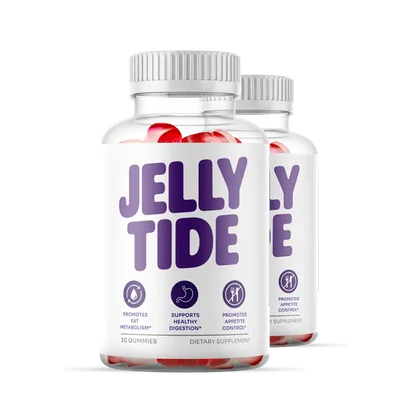
Cinnamon works best as one honest supporting player, not a headline miracle. JellyTide takes that approach across the board: apple cider vinegar with BHB calcium, magnesium and sodium salts, on a short panel, with claims kept inside the evidence.
See JellyTide on the Official StoreCeylon versus cassia: the safety question that matters
If you take cinnamon regularly, the single most important thing to know is that not all cinnamon is the same plant. Most cinnamon sold cheaply — in supermarkets and in many supplements — is cassia, from Cinnamomum cassia. The more expensive variety, sometimes called "true" cinnamon, is Ceylon, from Cinnamomum verum. They taste similar and behave similarly on blood sugar, but they differ sharply in one compound: coumarin.
Coumarin occurs naturally in cassia at much higher levels than in Ceylon, and in high, sustained doses it can be hard on the liver. European food-safety authorities have set a tolerable daily intake for coumarin of roughly 0.1 mg per kilogram of body weight, and a few grams of cassia cinnamon a day can approach or exceed that for a smaller adult. For a sprinkle on porridge, none of this matters. For someone taking several grams of cassia daily as a supplement for months, it can. The practical takeaway is simple: for daily supplement-level use, Ceylon cinnamon or a low-coumarin extract is the sensible default.
Forms, doses and what each one is backed by
| Form | Typical amount | Coumarin risk | Best use |
|---|---|---|---|
| Ceylon cinnamon ("true" cinnamon) | About 1–6 g daily in trials | Very low | Preferred for daily use |
| Cassia cinnamon (common type) | Often 1–3 g daily | Higher — watch the total | Fine for cooking, less so daily |
| Standardised cinnamon extract | Concentrated, varies | Depends on source | Check coumarin and source |
| Cinnamon inside a blend | Undisclosed | Unknown | Not evaluable |
Cinnamon is a good example of an honest supporting ingredient: a small, real effect on glucose in some studies, a clear safety caveat in the wrong form, and no business being sold as a cure.
The indirect link to appetite and weight
Cinnamon is often folded into weight-management products, and it is worth being clear about why — because the reasoning is indirect, not direct. Cinnamon does not burn fat, block fat or raise metabolism in any meaningful way. The proposed benefit runs entirely through blood sugar: if cinnamon flattens the post-meal glucose spike a little, it may soften the crash that follows, and it is those crashes — the mid-afternoon slump, the sudden hunger — that often drive cravings and snacking. Smoother glucose, the theory goes, could make eating a little less feel a little easier.
Every link in that chain is plausible, and not one of them has been demonstrated as weight loss in a trial where cinnamon was the only variable. This is the same pattern that runs through most glucose-adjacent ingredients: a real, modest effect on a lab marker, followed by a hopeful leap to appetite and then to weight. The honest framing is that cinnamon may play a small supporting role in an overall approach, alongside diet and movement, and that anyone promising more than that has left the evidence behind. Vinegar occupies a similar, better-tested niche here, which we cover in our review of the apple cider vinegar weight loss evidence.

How cinnamon compares with other blood sugar supports
Cinnamon rarely travels alone. It is usually one line in a formula alongside other glucose-adjacent ingredients, and it is fair to ask where it sits among them. The plain answer is: middle of the pack. It has more human data behind it than many botanicals but a smaller and less consistent effect than the marketing implies. Some ingredients in this space, such as berberine, carry a stronger and more consistent glucose signal in the trials — a comparison we lay out in our look at the berberine and blood sugar evidence — while others are far weaker than their labels suggest.
What unites the honest members of this category is that they are supports, not solutions. None replaces the two things that actually move blood sugar over time: what you eat and how much you move. Muscle is the body's largest site for clearing glucose, and regular activity changes glucose handling in a way no spice has been shown to match. Cinnamon earns a modest place in that picture; it does not get to be the centre of it. The same measured framing applies to fibre-based appetite aids, which we cover in our review of glucomannan fibre for appetite.
What cinnamon cannot do
Four limits, plainly. It is not a treatment for diabetes or any other condition, and it must never replace prescribed medicine or medical care — anyone managing blood sugar with medication should treat cinnamon as an addition to discuss with a clinician, not a substitute to swap in. It has not been shown to produce meaningful weight loss on its own. Its glucose effect is modest and inconsistent, not a reliable lever you can count on. And in the wrong form and dose — large daily amounts of cassia — it carries a genuine coumarin caution that most cheerful marketing never mentions.
Held to those limits, cinnamon is a perfectly reasonable supporting ingredient: pleasant, inexpensive, backed by some real if uneven human data, and safe in Ceylon form at sensible amounts. The trouble only starts when a label inflates that modest supporting role into a headline promise. As with every ingredient in this aisle, the useful filter is the same one this article has applied: name the ingredient, state the amount, choose the safer form, and keep the claim inside what the evidence can actually carry.
Related reading
Medical note: this article is general information, not medical advice. Cinnamon may add to the effect of glucose-lowering medicines, and cassia cinnamon in large daily amounts carries a coumarin caution. Speak to a healthcare professional before starting any supplement, especially if you are pregnant, nursing, taking medication, or managing blood sugar.
Frequently asked questions
Does cinnamon lower blood sugar?
Some human trials show a modest reduction in fasting blood glucose with cinnamon, on the order of a few points, while others show little or no effect, so the overall evidence is mixed. Where an effect appears it is small and works best as part of a wider diet, not as a substitute for one. Cinnamon may gently support steadier glucose, but it is not a reliable way to lower blood sugar on its own.
Is Ceylon cinnamon better than cassia?
For regular supplement use, Ceylon cinnamon is generally the safer choice because it contains far less coumarin than the common cassia variety. Coumarin can be hard on the liver in high, sustained doses, and cassia is much higher in it. For occasional cooking the difference rarely matters, but if you plan to take cinnamon daily in supplement amounts, Ceylon is the more sensible form.
Can cinnamon help with weight loss?
Only indirectly, and only modestly. Cinnamon has no direct fat-burning effect. The theory is that by smoothing the rise and fall of blood sugar after meals it may reduce the energy crashes that drive cravings, which could make eating less a little easier. That is a plausible supporting role, not a weight-loss mechanism, and no trial has shown cinnamon alone to cause meaningful fat loss.
How much cinnamon is safe daily?
Trials typically used roughly one to six grams of cinnamon a day. The main safety limit is coumarin from cassia cinnamon: European food-safety guidance sets a tolerable daily intake of about 0.1 mg of coumarin per kilogram of body weight, which a few grams of cassia can approach or exceed. Choosing Ceylon cinnamon or a low-coumarin extract sidesteps most of that concern, but anyone on medication should check with a healthcare professional.
Scientific references
- Moridpour AH, Kavyani Z, Khosravi S, et al. — Cinnamon supplementation and glycemic control in type 2 diabetes: updated systematic review and dose-response meta-analysis, Phytother Res (2024)
- Allen RW, Schwartzman E, Baker WL, Coleman CI — Cinnamon use in type 2 diabetes: an updated systematic review and meta-analysis, Ann Fam Med (2013)
- de Moura SL, Gomes BGR, Guilarducci MJ, et al. — Effects of cinnamon supplementation on metabolic biomarkers in type 2 diabetes: systematic review and meta-analysis, Nutr Rev (2025)
- Zarezadeh M, Musazadeh V, Foroumandi E, et al. — Cinnamon supplementation and glycemic control: an umbrella meta-analysis of interventional meta-analyses, Diabetol Metab Syndr (2023)
- European Food Safety Authority — coumarin tolerable daily intake
One short label, every amount declared
Apple cider vinegar with BHB calcium, magnesium and sodium salts in a single daily gummy — a five-line panel, a stated 525 mg blend, no cure-all promises.