Chromium Picolinate and Weight Loss: What the Studies Actually Say
Quick Answer: Does Chromium Picolinate Cause Weight Loss?
Chromium picolinate weight loss effects are very small. Meta-analyses find an average difference of under one to two pounds versus placebo, which is barely meaningful. Its more plausible role is a modest reduction in carbohydrate and sugar cravings for some people. It is cheap and generally safe at supplement doses, but it is not a standalone solution.
- On the scale: a tiny average effect, easy to overstate.
- On cravings: may help a little, evidence is preliminary.
- Bottom line: judge the whole formula, not this one mineral.

If you turn over almost any weight-loss gummy or "metabolism" capsule, there is a good chance chromium picolinate is on the panel. It is inexpensive, it sounds technical, and it carries a decades-old reputation for helping with blood sugar and cravings. That reputation is bigger than the data behind it. This article lays out what the human research on chromium picolinate weight loss actually found across cravings, blood sugar and body weight, why the effect sizes are so weak, what a safe dose looks like, and how to set honest expectations for one of the most common ingredients in the category.
What chromium picolinate is and why it is on the label
Chromium is an essential trace mineral, meaning your body needs tiny amounts of it and gets them from ordinary foods like whole grains, broccoli, meat and nuts. Picolinate is simply a carrier that helps the mineral get absorbed, which is why the supplement form is usually chromium picolinate rather than chromium on its own. The nutritional requirement is measured in micrograms, and outright deficiency is rare in people eating a normal mixed diet.
The reason it ended up in weight-loss formulas is its role in how the body handles insulin and glucose. Chromium appears to support the action of insulin, and insulin governs how carbohydrate is stored and how hungry you feel after eating sweet or starchy food. From that real biochemical role grew a much larger marketing story: if chromium helps insulin, the pitch goes, it must help with fat, cravings and weight. The biochemistry is genuine. The leap from biochemistry to bathroom-scale results is where things get thin.
What the body-weight trials found
Chromium picolinate has been studied for weight for a long time, and there are enough trials to pool into meta-analyses. When researchers do that, the picture is consistent and underwhelming: a 2003 meta-analysis of randomized trials and a Cochrane review of overweight and obese adults both found a statistically detectable but tiny average weight difference versus placebo, generally on the order of one to two pounds or less, over periods of several weeks to a few months. Some individual studies show a bit more, some show essentially nothing, and the overall effect is small enough that reviewers routinely question whether it means anything in real life.
That is the honest headline, and it is worth stating bluntly because so much packaging implies the opposite. A couple of pounds averaged across a trial, with wide scatter, is not a weight-loss agent. It is a trace mineral with a whisper of an effect. Anyone selling chromium as the reason the weight will come off is standing on evidence that its own field describes as weak. If you want a framework for spotting exactly this kind of small-but-oversold result in any supplement, our guide on how to read a weight loss study is the companion piece to this one.
Rather see the whole formula, not one buzzword?
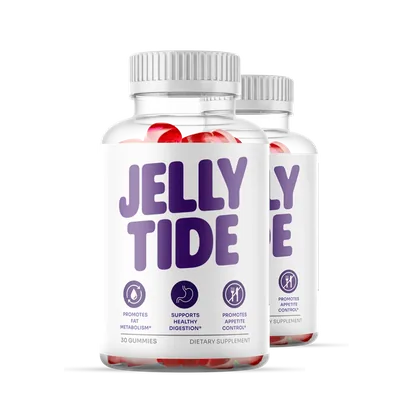
Chromium is easy to sprinkle in as a label-filler inside a proprietary blend. JellyTide keeps it short instead: apple cider vinegar with BHB calcium, magnesium and sodium salts, on a panel brief enough to read in one go — though its 525 mg blend is stated as a total, not split by ingredient.
See JellyTide on the Official StoreThe cravings question: where chromium is more interesting
If the weight data is the weak part of chromium's file, cravings are the intriguing part. A handful of small studies, including work in people with strong carbohydrate cravings and mood-related eating, reported reductions in appetite and in the pull toward sweet and starchy foods on chromium picolinate. The mechanism is plausible: steadier insulin action could mean a less dramatic swing in blood sugar after eating, and gentler swings can mean fewer of the crashes that trigger the next craving.
The catch is that these studies are small, not always consistent, and easy to over-read. The fair way to phrase it is that chromium may modestly curb carb cravings for some people, which is genuinely worth something to a person whose main obstacle is reaching for sugar in the afternoon. It is not the same as a proven, reliable appetite effect that everyone will feel. If cravings are your specific battle, it is one of several small tools worth understanding rather than the deciding factor.

The blood sugar angle, kept in proportion
Chromium's blood-sugar reputation is where its story began, and it is more nuanced than either fans or sceptics admit. In people who are genuinely low in chromium, or in dose-response analyses in type 2 diabetes, supplementation has shown measurable effects on glucose, insulin markers and body composition. In well-nourished people without a deficiency, those effects are much less clear and often absent. This is a common pattern with nutrients: fixing a shortfall helps, but adding more on top of sufficiency usually does not.
None of that makes chromium a treatment for anything, and it is important to be plain about that line: this is a general-wellness ingredient, not a therapy, and anyone managing blood sugar with medication should treat any supplement that touches glucose as something to discuss with a clinician, not to self-prescribe. The same measured framing applies to other popular blood-sugar botanicals, and our review of the cinnamon and blood sugar evidence walks through a very similar gap between mechanism and proven benefit.
Chromium doses, forms and what each is backed by
| Scenario | Typical amount | Human evidence | Honest read |
|---|---|---|---|
| Dietary chromium from food | Micrograms, from meals | Meets the actual need | Deficiency is uncommon |
| Supplement for cravings | ~200–1000 mcg daily | Small, mixed studies | May help some, unreliable |
| Supplement for weight loss | ~200–1000 mcg daily | Tiny average effect | Not a weight-loss agent |
| Chromium in a gummy, dose listed | Often 35–200 mcg | Depends on the amount | Check the actual mcg |
| Chromium in a proprietary blend | Undisclosed | Cannot be evaluated | Amount hidden by design |
Chromium is on the label because it is cheap, safe and sounds scientific — three commercial virtues that have nothing to do with whether it moves your weight.
Objection one: "it's in every fat-burner, so it must work"
Ubiquity is not evidence. Chromium appears on so many labels precisely because it is inexpensive, has an established safety record, and lets a product list a "metabolism-supporting" mineral without much cost or risk. Those are reasons for a formulator to include it, not reasons for you to expect results. Some of the most common weight-loss ingredients are common because they are convenient to add, not because they are the most effective things known. A crowded ingredient panel is often a marketing decision, and it says little about what any single line item does.
Objection two: "more micrograms means more effect"
With a nutrient, the dose-response is not a straight line upward. Chromium studies have used a wide range, commonly from around 200 up to 1000 micrograms a day, and systematic reviews of supplements for body-weight reduction report that the larger doses have not produced dramatically larger results. Once you have enough of an essential mineral, piling on more generally does not add benefit; it just increases the chance of the occasional side effect, such as a headache or some digestive upset. The instinct that a bigger number on the label means a stronger product is one the whole supplement aisle quietly exploits, and it is rarely true for micronutrients.
Objection three: "it's a mineral, so it's completely harmless"
At the doses used in supplements, chromium picolinate is generally regarded as well tolerated for most healthy adults, and no upper limit has been established from toxicity in the way it has for some other nutrients. That is reassuring, but "generally safe" is not "irrelevant to everyone". People with kidney or liver conditions have particular reason to be cautious, since those organs handle mineral clearance, and anyone pregnant, nursing or taking medication should check before adding it. Safe-for-most is the correct framing, not a blanket all-clear.

How to set honest expectations for chromium
Pull it all together and chromium picolinate lands in a modest, specific place. For body weight on its own, expect essentially nothing you would notice; the average trial effect is a pound or two at most and often less. For cravings, allow that it might take the edge off carbohydrate and sugar urges for some people, while accepting that this is preliminary and personal rather than guaranteed. Treat it as safe for most healthy adults at typical doses, respect the exceptions, and never let it stand in for the diet and activity that actually drive results.
The most useful way to judge a product that contains chromium is to ignore the mineral's reputation entirely and look at the whole formula: what else is in it, at what amounts, and whether those amounts are disclosed. Chromium sits in the same tier as appetite fibers and mild thermogenic ingredients — small helpers, not engines. Our companion reviews of glucomannan fiber for appetite and green tea extract weight loss evidence apply the exact same honest yardstick to two of chromium's most common shelf-mates.
Where an apple cider vinegar gummy fits alongside this
The consistent lesson across these ingredient reviews is to buy transparency, not buzzwords. Chromium is the perfect example of a word that looks impressive on a panel while doing very little, especially when its amount is hidden inside a blend. JellyTide is built the other way around: apple cider vinegar with BHB calcium, magnesium and sodium salts, named on the label with the blend total stated. It makes no claim to melt fat, and where its 525 mg blend is a total rather than a per-ingredient split we say so plainly, which is the standard this article has held chromium to.
Medical note: this article is general information, not medical advice. Chromium can affect blood sugar and may interact with diabetes and other medicines. Speak to a healthcare professional before starting any supplement, especially if you are pregnant, nursing, taking medication, or have kidney or liver problems.
Frequently asked questions
Does chromium picolinate help you lose weight?
Barely, on average. Pooled analyses of chromium picolinate trials show a tiny mean weight difference versus placebo, usually under one to two pounds, and even that is of doubtful practical importance. It is best understood as a trace mineral that might make a small contribution to some people, not a weight-loss agent in any meaningful sense. On its own it will not move the scale.
Does chromium reduce sugar cravings?
This is the more interesting part of the file. A few small studies, including work in people with carbohydrate cravings and mood-related eating, reported reductions in appetite and craving for starchy and sweet foods on chromium picolinate. The findings are preliminary and inconsistent, so it is fair to say it may modestly curb carb cravings for some people, but not to promise it will.
How much chromium is safe?
Supplement studies commonly used around 200 to 1000 micrograms of chromium picolinate a day, and at those doses it is generally regarded as well tolerated for most healthy adults, with no established upper limit set from toxicity. Occasional reports mention headaches or digestive upset. People with kidney or liver problems, or who are pregnant or nursing, should check with a clinician first.
Is chromium picolinate worth taking?
For weight loss alone, the honest answer is that it is a weak lever and not worth high expectations. It is cheap, generally safe and might help slightly with cravings, which is why it appears on so many labels, but it is not a standalone solution and cannot replace diet and activity. Judge any product containing it on the whole formula, not on chromium's reputation.
Related reading
Scientific references
- Pittler MH, Stevinson C, Ernst E — Chromium picolinate for reducing body weight: meta-analysis of randomized trials, Int J Obes Relat Metab Disord (2003)
- Tian H, Guo X, Wang X, He Z, et al. — Chromium picolinate supplementation for overweight or obese adults, Cochrane Database of Systematic Reviews (2013)
- Vajdi M, Khajeh M, Safaei E, et al. — Effects of chromium supplementation on body composition in type 2 diabetes: dose-response systematic review and meta-analysis, J Trace Elem Med Biol (2024)
- Pittler MH, Ernst E — Dietary supplements for body-weight reduction: a systematic review, Am J Clin Nutr (2004)
- NIH Office of Dietary Supplements — Chromium fact sheet
One short label, every amount declared
Apple cider vinegar with BHB calcium, magnesium and sodium salts in a single daily gummy — a five-line panel and a stated 525 mg blend total.